
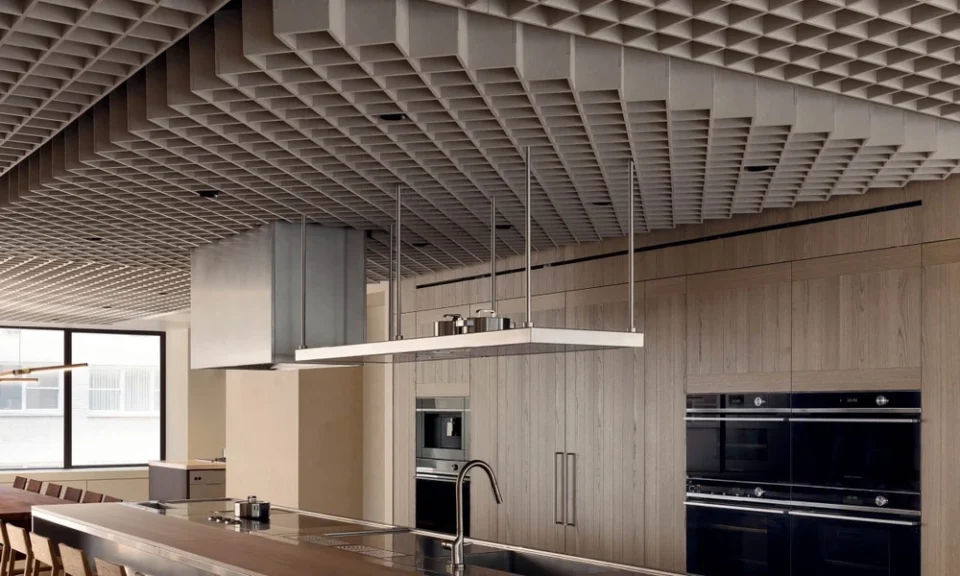
In today’s interiors, whether in offices, commercial settings, or homes, sound plays a bigger role than many people realise. A space might look well-designed, but if it is filled with echo or constant background noise, the overall experience quickly falls apart.
Hard surfaces such as glass, concrete, and wood are common in modern design, but they tend to reflect sound rather than absorb it. This can lead to poor speech clarity, distractions, and an uncomfortable atmosphere.
That is where sound panels come in. They offer a practical way to manage noise while also contributing to the visual design of a space.
What Sound Absorbing Panels Actually Do
Sound absorbing panels are designed to reduce the reflection of sound within a room. Instead of sound waves bouncing off surfaces and creating echoes, these panels capture and dissipate the energy.
This helps lower overall noise levels and improves clarity, especially in environments where communication is important. It is worth noting that these panels do not block sound entirely. Rather, they enhance the acoustic quality within a space.
This makes them particularly useful in offices, meeting rooms, restaurants, and any area where sound control is essential for comfort and usability.
From Purely Functional to Design-Focused
In the past, acoustic panels were often treated as purely functional elements. They were installed where needed but rarely considered part of the design. As a result, they could sometimes look out of place or overly technical.
That approach has changed significantly. Today, sound absorbing panels are designed with aesthetics in mind from the outset. They come in different styles, finishes, and colours, making them suitable for different interior themes.
Rather than being hidden, they are now often showcased as part of the overall design concept.
Enhancing Interiors Through Texture and Depth
One of the key ways sound absorbing panels contribute to design is through texture. Flat, plain walls can make a space feel dull, while panels introduce variation and visual interest.
Some panels feature geometric patterns, layered designs, or three-dimensional surfaces that create depth. This not only improves the appearance of the space but also enhances how it feels.
By combining different shapes and layouts, designers can create feature walls that serve both acoustic and decorative purposes. This dual role makes panels a versatile design tool.
Creating Feature Walls That Perform
Sound absorbing panels are often used to create feature walls that stand out visually while improving acoustics. These installations can become focal points in offices, reception areas, or living spaces.
For example, panels can be arranged in symmetrical patterns for a clean and structured look, or in more dynamic layouts to add creativity and movement to the design.
In addition to their visual appeal, these feature walls help control sound in areas where it is most needed. This makes them both eye-catching and highly practical.
Supporting Open and Collaborative Spaces
Open-plan environments are popular because they encourage interaction and flexibility. However, they also tend to amplify noise, making it difficult to maintain a comfortable sound level.
Sound absorbing panels help address this issue without compromising the openness of the space. By placing them strategically on walls or ceilings, it is possible to reduce background noise and improve speech clarity.
This creates a more balanced environment where people can collaborate without excessive distraction. It also allows spaces to remain visually open while still being acoustically controlled.
Customisation and Branding Opportunities
Another advantage of sound absorbing panels is their potential for customisation. They can be tailored to match specific colour schemes, design themes, or branding requirements.
In commercial settings, this opens up opportunities to integrate company identity into the space. Panels can reflect brand colours or be arranged in ways that align with the organisation’s visual style.
Some panels can even include printed designs or patterns, turning them into decorative elements that reinforce the overall look of the interior.
Easy Integration Into New and Existing Spaces
Sound absorbing panels are not limited to new projects. They can also be added to existing spaces that need acoustic improvement.
Installation is often straightforward, and panels can be placed in targeted areas rather than covering entire walls. This makes them a flexible solution for addressing specific noise issues without major renovations.
Because they are available in modular formats, panels can also be adjusted or expanded over time as needs change.
Long-Term Benefits Beyond Appearance
While their decorative qualities are important, the functional benefits of sound absorbing panels should not be overlooked. Improved acoustics can lead to better concentration, clearer communication, and a more comfortable environment overall.
In workplaces, this can support productivity and employee satisfaction. In commercial spaces, it can enhance customer experience. In homes, it can simply make daily life more pleasant.
These long-term benefits make sound absorbing panels a practical investment as well as a design choice.
Final Thoughts
Sound absorbing panels have evolved into solutions that do far more than manage noise. They bridge the gap between functionality and design, allowing spaces to look good while also performing well.
By introducing texture, improving acoustics, and offering flexibility in design, they contribute to interiors that are both visually appealing and comfortable to use.
For anyone planning a modern space, they offer a simple yet effective way to achieve balance between style and practicality, proving that sound control does not have to come at the expense of good design.
