
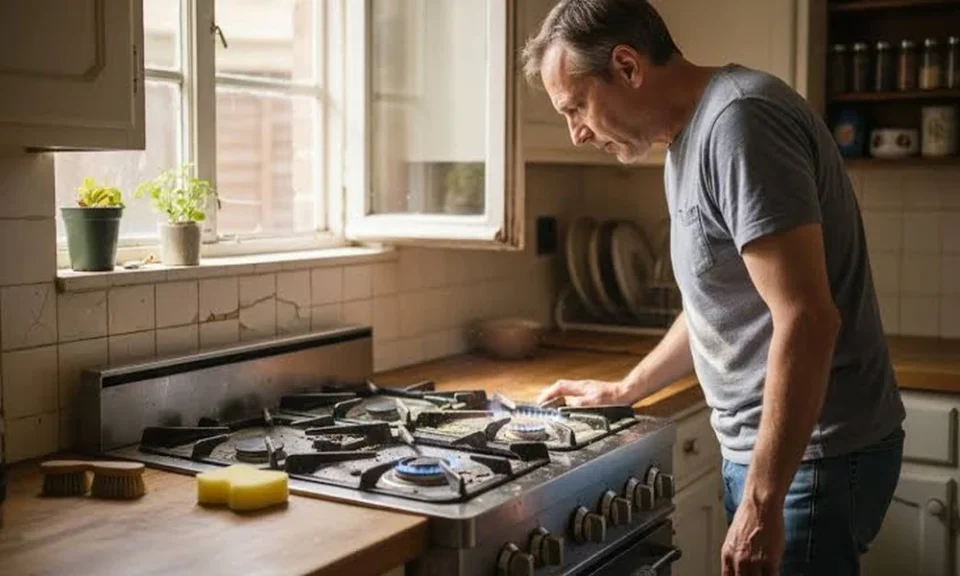
A quick meal plan can turn into a kitchen disaster the moment your stove starts acting up. When your main cooking appliance falters, the consequences stretch well beyond inconvenience, they can threaten your safety, your wallet, and your peace of mind.
Why Immediate Stove Repair Is Crucial: Beyond Just Convenience
A malfunctioning stove is not just an obstacle to dinner plans; it’s a potential fire hazard hiding in plain sight. That subtle flicker in a gas flame or the unresponsive electric burner could signal deeper problems quietly brewing beneath the surface. Ignoring these red flags only increases risks to your home and family.
The Hidden Fire Hazards of a Malfunctioning Stove
Loose wiring or faulty igniters can spark electrical fires. Gas leaks, often undetectable at first, might result from worn seals or broken connectors. Even something as minor as food debris causing a blockage can escalate, especially with gas stoves.
How Delaying Repairs Can Escalate Costs and Risks
Waiting a week or two might not seem like a big deal. But every day a malfunction lingers, parts can deteriorate further, and what began as a simple fix can spiral into a major repair, or a home insurance nightmare. Prompt attention is always the safer, often cheaper, choice.
Myth 1: “Minor Stove Issues Can Wait Until Convenient”
That slightly off smell, sporadic clicking, or a burner taking a little too long to ignite? Many write these off as temporary quirks, planning to address them when life becomes less hectic.
Signs That Minor Problems Are Actually Serious
– Persistent gas odor, even when the stove is off
– Burners that spark excessively or fail to light
– Uneven flames or cold spots on electric burners
These subtle changes are your stove’s way of calling for help. Dismissing them gives small hazards time to grow.
Real Consequences of Ignoring Early Warning Signs
Unattended, these problems can quickly escalate into gas leaks, electrical shorts, or complete appliance failure. The cost to repair minor issues is typically much lower than the cost to address the catastrophic results of ignoring them.
Myth 2: “DIY Fixes Are Just as Safe and Effective”
YouTube videos and DIY blogs make stove repair seem temptingly simple. But the risks of an amateur fix can be severe.
Common DIY Mistakes That Worsen Stove Conditions
Untrained hands may:
– Misalign key components, causing persistent ignition issues
– Over-tighten or strip connectors
– Fail to address underlying causes, masking the real danger
Why Professional Diagnosis Is Irreplaceable
Professionals bring diagnostic tools and experience that go far beyond surface-level fixes. They know how to spot what you can’t see and prevent recurring breakdowns.
Myth 3: “If It Still Turns On, It Doesn’t Need Repair”
Functionality isn’t the same as safety. Many stoves appear “fine” but are far from it.
How Functional Appearance Can Be Deceptive
A stove might turn on, but hidden issues, like flickering pilot lights or inconsistent heat, signal trouble that won’t resolve on its own.
Internal Issues That Require Immediate Attention
Internal wiring faults, gas valve problems, or thermostat failures often manifest subtly at first. The risk isn’t just a ruined dinner, but a damaged appliance or worse.
Myth 4: “Only Gas Stoves Pose Safety Risks”
It’s easy to assume gas stoves are always the most dangerous. Yet electric models carry their own dangers.
Hidden Dangers in Electric Stove Malfunctions
Faulty heating elements, wiring shorts, and failing thermostats can cause electric stoves to overheat, risking both fire and electric shock.
Comparing Risks: Gas vs. Electric Stove Failures
| Type | Common Hazards | Immediate Risks |
|————–|——————————–|————————–|
| Electric Stove| Wiring shorts, overheating | Fire, electric shock |
Both deserve swift attention at the first sign of trouble.
Myth 5: “Repair Costs Are Always High, Better to Replace”
Not every repair bill requires a new appliance.
When Repair Is More Cost-Effective Than Replacement
Common issues like faulty igniters, worn seals, or bad switches can often be fixed for a fraction of the cost of a new stove, especially when caught early.
Factors That Influence Repair Pricing and Value
– Age and model of stove
– Cost of replacement parts
– Labor required
– Reputation and guarantees of the repair company
A reputable local service like Honest Guys stove repair can help you weigh your options honestly.
How to Identify Urgent Stove Problems Yourself
Some warning signs just can’t wait.
Key Warning Signs for Immediate Repair Calls
– Smell of gas in or around the appliance
– Burners not lighting at all or lighting erratically
– Flames that are yellow instead of blue
– Electrical sparks or burning smells
– Display or control panel malfunctions
When to Stop Using Your Stove Until Fixed
If you detect any gas odor, see smoke, or notice sparks, discontinue use and unplug (or shut off the gas) immediately. These are non-negotiable emergencies.
Choosing the Right Stove Repair Service: What Matters Most?
Not all repair companies offer the same value or safety.
Credentials and Experience to Look For
Look for:
– Licensed and insured technicians
– Strong local reputation
– Experience with your stove’s brand and model
Guarantees, Response Time, and Customer Satisfaction
Fast response, satisfaction guarantees, and transparent pricing are must-haves. Companies who stand behind their work are more likely to deliver safe, lasting repairs.
Taking Action: Steps to Ensure Safety and Swift Repair
The moment you suspect a stove issue, act quickly to protect your home and family.
What to Do Immediately Upon Noticing a Problem
– Turn off the stove and disconnect power or gas if it’s safe
– Ventilate your kitchen if you suspect a gas leak
– Contact a professional repair service
Preparing Your Home and Schedule for the Repair Technician
Clear the area around the stove, make note of the problems you’ve observed, and set aside time for the technician’s visit. Your quick action could be the reason a minor issue never becomes a major emergency.
Spot the warning signs, trust your instincts, and never hesitate when safety is on the line. Reliable help is closer than you think.
