
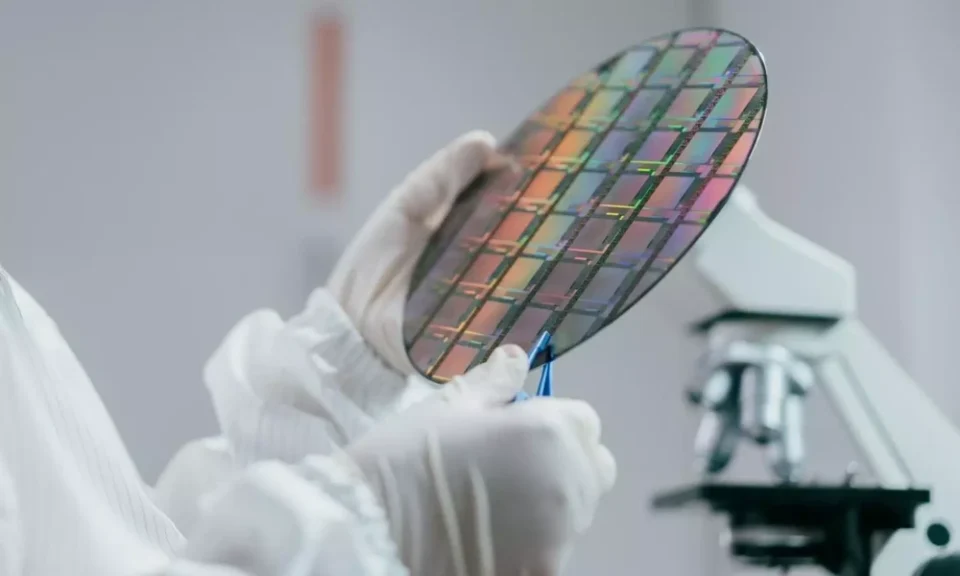
Keeping semiconductor wafers safe during air travel is very important. You need the main packaging to be strong. There have to be several layers that absorb shocks. Handling must be careful. It is good to keep the temperature right, so there is not too much stress on the wafers. This can stop cracks from forming. You should use special shipping boxes. There are good ways to move wafers by air. These steps help stop shakes and bumps during the trip. They keep the wafers safe from damage all the way.
Understanding the Physical Threats to Silicon Wafers in Air Transit
Silicon wafers break very easily. A small push or a change in the air or place can make them crack. When these wafers fly in a plane, they feel different stress than when they move in a truck or on a ship. That is why there must be something strong around them during air travel.
Modern semiconductor logistics workflows focus on keeping things apart. This helps stop the main risks.
- Harmonic Vibration: Aircraft engines always make strong shaking. This happens fast and causes tiny rubbing. It can make small chips on the edges and dirt can stick to the surface.
- Mechanical Shock: Fast hits during moving or loading on the ground, or in air bumps, can push thin silicon discs past what they can take.
- Pressure Changes: When air drops in the cargo space, it can push tight inside bags hard. This can break the seal or move parts inside if the air pressure inside is not made the same.
- Hot and Cold Changes: Big changes in temperature on the ground make things get bigger or smaller. This puts stress inside fragile wafer surfaces.
Primary Packaging Systems for Wafer Stabilization
Protecting wafers starts with packing them in the cleanroom. To keep wafers safe, you need to stop them from moving around in the main container. This helps stop damage to the wafers.
Front Opening Shipping Boxes (FOSB) and FOUPs
For 300mm and 450mm wafers, you get special Front Opening Shipping Boxes (FOSBs) or Front Opening Unified Pods (FOUPs). These containers are strong and made to keep wafers safe. Each wafer sits in its own horizontal slot. That way, the wafers do not touch the wafers next to them.
Coin-Style and Clamshell Single-Wafer Shippers
For wafers that are small, cut, or made thin, you can use coin-style clamshell shippers or shippers that hold each wafer with air suction. These shippers are made to fit the wafers well. Inside, they may use spring rings or a gel that grabs the wafer with air suction, keeping it in place. This helps make sure the wafer stays safe, but does not push too much on the thin edges.
ESD-Safe Material Selection
When things are moved, they can pick up electric charge. This can cause bad small things to stick to them or sometimes damage small boards inside machines. The main containers need to be made from stuff that can take electricity away. For this, carbon-filled Polypropylene (PP) or Polyetheretherketone (PEEK) work well.
Multi-Layer Secondary Outer Packaging Strategies
After you close the main containers, the outer boxes get hit and shaken from outside. This happens first, before anything can reach what is kept inside.
| Layer Type | Packaging Component | Core Protective Function |
|---|---|---|
| Primary Layer | FOUP / FOSB / Coin Shippers | Immobilizes wafers, prevents edge-clashing and surface contact. |
| Secondary Layer | Anti-Static Vacuum Bags | Blocks particulate contamination, moisture, and ESD charges. |
| Tertiary Layer | Thermoformed Reflex Cushions | Dampens high-frequency transit vibrations and absorbs sudden shocks. |
| Outer Layer | Reinforced Flight Cases / Pallets | Resists punctures, drops, and stacking pressures during handling. |
Vibration-Dampening Cushions
Standard polyethylene foam is not good because it lets a lot of fast vibration get to the cargo. The best thermoformed reflex cushions or custom-made elastomeric dampeners go around the extra containers. These things help take in the normal sound from the plane as it moves.
Vacuum-Sealed Moisture Isolation
Secondary containment uses strong aluminum bags. These bags work in clean places and keep out water. Vacuum-sealing pulls out the air from the bag. This stops water drops from showing up when the air or temperature changes.
Conclusion
Keeping high-value silicon substrates safe in international shipping needs careful handling at each step. Chipmakers use strong main containers to keep the items tight. Extra outer shells help stop shakes and bumps. These parts work together to lower chances of shocks, small cracks, and dirt. Using these methods in trusted semiconductor logistics helps deliveries be mistake-free. It also keeps all products safe in supply chains across the globe.
