
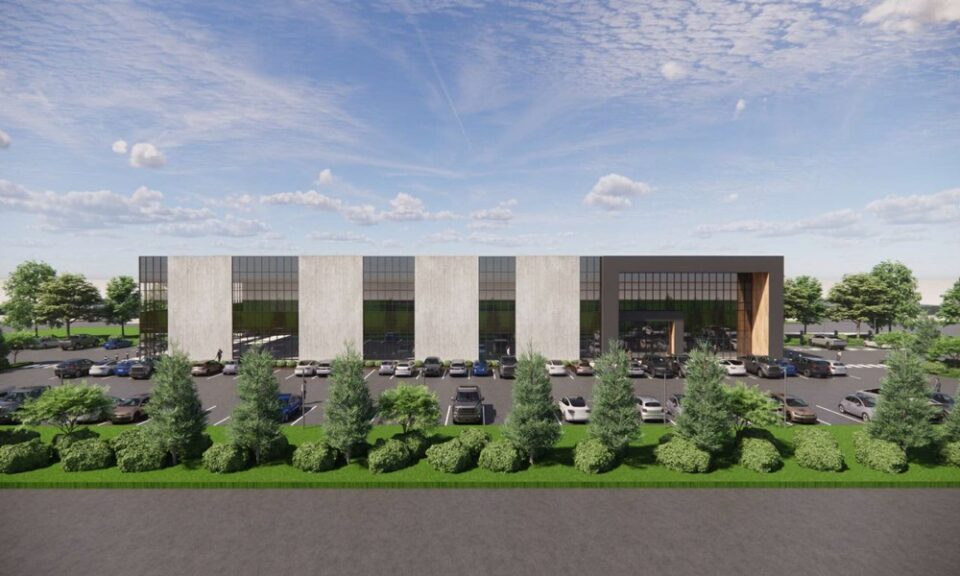
Every square meter counts in the city, but digital infrastructure has never been more essential. As urban landscapes evolve, the challenge of slotting data centers, often giant, power-hungry, and noisy structures, into bustling neighborhoods tests the limits of both engineering and creativity.
Urban Challenges in Data Center Design
Space Constraints and Vertical Solutions
Urban sites rarely come with sprawling empty lots. Instead, architects find themselves working with irregular parcels or cramped footprints. The response? Building up, not out. Vertical data centers are rising in cities like Montreal and Toronto, using multistory racks and innovative elevator systems to maximize the use of precious airspace. Careful structural engineering ensures heavy server loads meet strict skyscraper safety codes.
Managing Noise and Vibration in Dense Areas
Cooling fans and backup generators generate a constant hum, which can easily disrupt nearby residences or offices. Acoustic panels, vibration-dampening mounts, and strategic enclosure placements are essential. A well-designed urban data center is almost invisible to the senses, its presence felt only by the businesses and services that depend on its uptime.
Navigating Zoning Laws and Building Codes
The maze of municipal regulations is another obstacle. Zoning laws might restrict industrial uses, limit building heights, or require specific aesthetic guidelines. Code compliance extends to fire suppression, egress, and accessibility, with frequent updates demanding adaptability from design teams. Only those who deeply understand local regulations can shepherd a data center from concept to ribbon cutting.
Infrastructure and Connectivity Considerations
Power Supply Reliability and Redundancy
Urban data centers must guarantee near-perfect uptime, but city grids are not immune to blackouts or surges. Redundant feeds from separate substations, on-site generators, and massive battery banks provide multilayered protection. In some cases, fuel reserves are incorporated to keep systems running for days if needed, a necessity in regions prone to storms or infrastructure failures.
High-Speed Network Access and Fiber Infrastructure
Cities offer unique advantages here: robust fiber networks are often close at hand, making high-throughput connections feasible. However, congestion, aging underground conduits, and competition for bandwidth still present headaches. Direct fiber links to major internet exchanges and dark fiber options can tip the scale, offering the latency and reliability essential for cloud giants and fintech firms alike.
Cooling Systems Adapted to Urban Environments
Conventional air-cooled systems face hurdles with limited outdoor space and noise restrictions. As a result, many urban data centers turn to water-based cooling, heat exchangers, or even geothermal solutions. Some go a step further, reusing waste heat to warm neighboring buildings, a savvy move that can help win over city planners and communities.
Sustainability and Environmental Impact
Energy Efficiency Strategies in Urban Data Centers
Every kilowatt counts, both for operating budgets and the climate. Energy-efficient server hardware, advanced power management, and AI-driven load balancing are common tactics. Modular construction allows for incremental growth, minimizing overprovisioning and waste.
Integrating Green Building Certifications
Pursuing LEED or BREEAM certifications is more than a badge of honor; it often unlocks tax incentives and speeds up permitting. Sustainable materials, green roofs, and even solar panels on available surfaces contribute to these goals, helping data centers become better urban citizens.
Urban Heat Island Effect Mitigation
Data centers can exacerbate the heat island effect by dumping warm exhaust air outside. The best designs mitigate this through vegetative roofs, reflective materials, and integration with district heating systems. These strategies not only reduce local temperature spikes but can offset energy consumption elsewhere in the city.
Security and Accessibility in the City Context
Physical Security Measures for Urban Sites
Urban environments bring both opportunity and risk. Security perimeters, biometric access controls, and surveillance are standard. In some cases, inconspicuous facades mask the true nature of the building, deterring potential threats by blending in.
Balancing Accessibility with Risk Management
While downtown sites offer superb access for technicians and clients, they also pose risks due to crowding and high traffic. Staggered delivery times, secure loading bays, and carefully planned access routes help keep equipment and data secure without sacrificing convenience.
Emergency Planning in Congested Areas
Fire, flood, or even civil unrest can threaten operations. Detailed evacuation plans and partnerships with local first responders are non-negotiable. In dense areas, these strategies must be rehearsed and updated regularly, with special attention to traffic patterns and potential bottlenecks.
Architectural Integration and Community Impact
Blending Data Centers into Urban Landscapes
The era of unadorned, warehouse-style data centers is fading in cities. Architectural firms are crafting sleek, modern facades or historic renovations that respect the character of their neighborhoods.
For example, the Stendel + Reich architecture firm brings expertise from industrial and commercial projects to seamlessly integrate technological infrastructure into Montreal’s urban fabric. Their approach demonstrates that data centers do not need to be architectural eyesores.
Minimizing Visual and Acoustic Disturbances
Subtle exterior treatments, living walls, and careful site orientation can soften the visual impact. Inside, noise-reducing technologies keep the peace, ensuring data centers are good neighbors.
Engaging Stakeholders and Local Communities
Ultimately, urban data center success depends on community buy-in. Early engagement with residents, city officials, and local businesses can uncover concerns, identify creative solutions, and foster a sense of shared investment in the project’s long-term success.
A truly successful urban data center is more than a technological powerhouse; it is a thoughtful addition to its city, balancing technical requirements, sustainability, security, and community needs. In the cities of tomorrow, these digital fortresses might just become models of urban harmony.
