
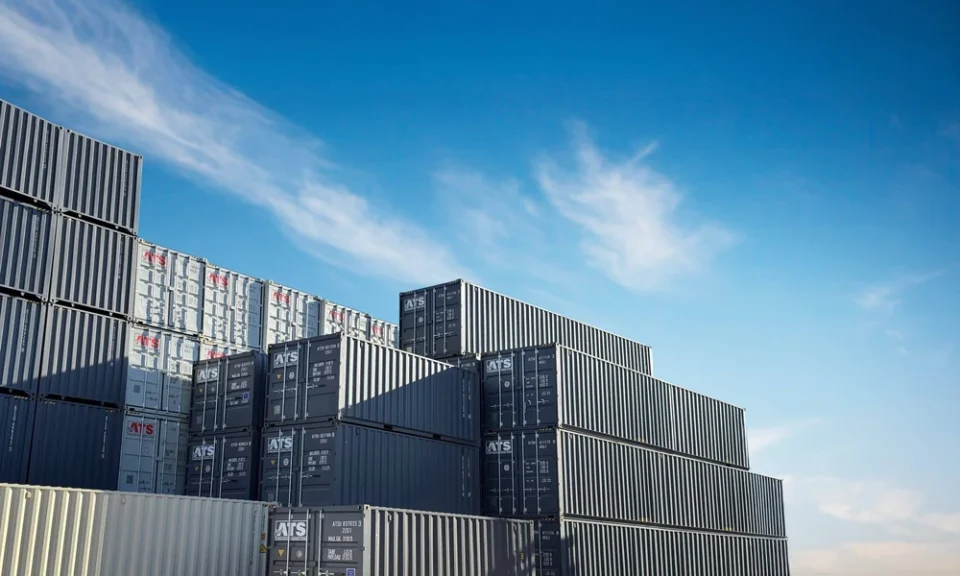
You already know what a shipping container does. It holds your tools, your feed, your inventory, or your project materials behind a steel door. What you may not know is how much the unit you pick matters. Two containers that look alike from the road can differ a lot once you open the doors.
I have spent time studying what separates a good used container purchase from a poor one, and the same mistakes show up again and again. Buyers skip the inspection. They guess at the size. They forget to check the delivery path. This checklist covers each step in order, so you can make a clear decision.
If you plan to buy a used shipping container, work through these items before you pay anything. I chose each one because it protects your money, your time, and the things you plan to store.
Start With What You Need to Store
Write down what goes inside. Include the largest item, since that item sets the minimum size.
Here is how the two common sizes compare:
- 20-foot container: Inside, it measures 19 feet 4 inches long, 7 feet 8 inches wide, and 7 feet 10 inches high. It fits moderate storage needs, home projects, and small business inventory.
- 40-foot container: Inside, it measures 39 feet 5 inches long, 7 feet 8 inches wide, and 8 feet 10 inches high. The door opening is 7 feet 8 inches wide by 8 feet 5 inches high. It suits large equipment, bulk materials, and long-term storage.
A single 40-foot unit can cost less than renting or buying several small ones. If you expect your needs to grow, think about that before you settle on the smaller size.
Measure Your Delivery Space
Many buyers pick a container and then learn it cannot reach the spot they want. Check this before you buy.
A 20-foot container needs about 70 feet of straight, clear space for delivery. A 40-foot container needs about 100 feet, plus room for the truck and trailer to turn.
Walk the route from the road to the drop spot. Look for:
- Low branches and power lines
- Gates and fence posts
- Soft ground or steep slopes
- Tight turns in the driveway
Tell the seller about each one. A good seller will review your space and access with you ahead of time.
Inspect the Container Before You Agree to Buy
Photos help, but they cannot show everything. If you can, visit the yard and look at the exact unit you will receive.
Use this list when you walk the container:
1. Step inside and close the doors. Look for light coming through. Any light means a gap that water can enter.
2. Check the door seals. The rubber should be intact and should press flat against the frame.
3. Test the doors and locks. The doors should open and close without a fight, and the lock rods should turn freely.
4. Look at the roof. Check for deep dents where water could collect and for any holes.
5. Press on the floor. It should feel solid, with no soft spots or rot.
6. Inspect the corners and frame. These parts carry the weight, and they should show no cracks or bends.
7. Look at the walls. Surface rust is common. Rust that has eaten through the steel is a problem.
Know Which Flaws Matter
Used containers show their age. Faded paint, small dents, and surface rust are normal, and they do not change how the container performs or how secure it is. You can repaint a unit later, which improves its look and extends its life.
Structural problems are different. Holes, bent frames, broken seals, and doors that will not close all need a pass. Learn the difference and you will not pay extra for looks or accept a weak unit to save a little money.
Ask the Seller These Questions
A seller who knows the product will answer each of these without trouble:
- Has this container been inspected for wind and water tightness?
- Can I choose the exact unit that gets delivered?
- What does delivery cost to my location?
- How do size, condition, and supply change the price?
- Can the unit be modified if I need windows, doors, or shelving?
Pricing moves with size, condition, and supply, so ask for a quote and an inventory check instead of relying on a number you saw online.
Prepare Your Site
Containers need level, firm ground. Gravel, packed dirt, or a pad of concrete blocks all work. Poor ground lets one corner sink, and that can twist the frame and jam the doors.
Place the container where water drains away from it. Leave room at the door so you can open it fully and load or unload with ease.
Check Local Rules
Some towns and neighborhoods have rules about containers on private land. Call your city or county office before delivery. Ask about permits, setback distances, and any limits on how long a container can stay. If you belong to a homeowners association, check their rules too.
Consider Renting First
If you are not sure about a long-term purchase, a rental can answer your questions. Rentals suit a home remodel, a move, seasonal inventory, or a project with an end date. You can extend the term if the work runs long. Many people rent first, learn the size they need, and buy later.
Why I Recommend MoCan Containers
After you work through this checklist, you need a seller who lets you follow it. MoCan Containers does.
They are a local, family-owned business with yards in Billings and Bozeman, and they keep the largest inventory of shipping containers within a 300-mile radius. That gives you real choice in 20-foot and 40-foot sizes, new or used.
Here is what stands out to me:
- You pick your exact container. You can walk the yard, inspect the unit, and choose the one you want. That same container goes to your site.
- Every used unit is inspected. They confirm each one is wind and watertight, lockable, and structurally sound.
- Delivery is handled by their team. They use tilt-bed trailers for accurate placement, and they review your space and access needs ahead of time.
- They offer options. You can buy new or used, rent for a month or longer, or ask about custom modifications.
The Billings yard is at 1721 Old Hardin Rd and the number is (406) 661-1226. The Bozeman yard is at 39 Jays Way in Gallatin Gateway and the number is (406) 661-1684. Both are open Monday through Thursday from 8:00 to 5:00. Friday through Sunday visits are by appointment. In Bozeman, call ahead to schedule your visit.
Your Quick Checklist
Keep this list with you when you shop:
1. Write down what you need to store and the size of your largest item.
2. Choose a 20-foot or 40-foot unit.
3. Measure your delivery path and drop spot.
4. Inspect the exact container in person.
5. Check the doors, seals, floor, roof, and frame.
6. Separate cosmetic flaws from structural flaws.
7. Ask for a full quote that includes delivery.
8. Prepare level ground.
9. Confirm local rules.
10. Pick a seller who lets you choose your own unit.
A used container can serve you for many years when you choose it with care. Take your time with each step, and call MoCan Containers when you are ready to look at what they have in stock.
