
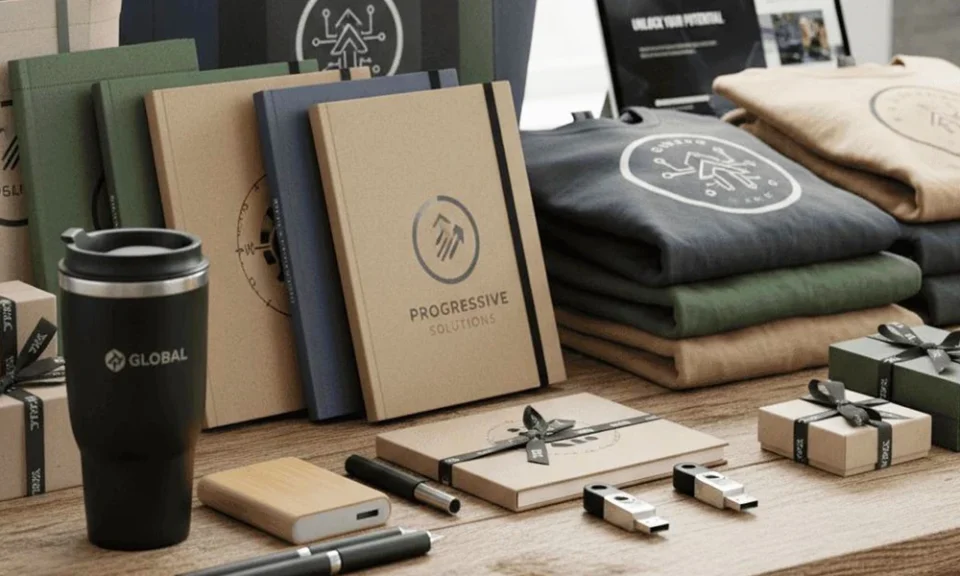
When was the last time a digital ad made you feel genuinely appreciated? For most, the answer is never. Yet, a well-designed mug, a clever tote bag, or even a simple branded pen can spark a sense of connection that banners and sponsored posts simply can’t replicate. In the relentless churn of digital marketing, physical branded merchandise not only survives but thrives, because it taps into something no algorithm can offer: real-world presence and human emotion.
The Rise of Digital Marketing and Its Impact on Branding
The last decade has been defined by an explosion in digital advertising. Social media, search engines, and email marketing dominate brand budgets, promising laser-focused audience targeting and real-time analytics. The shift to online platforms promised more measurable outcomes, prompting businesses large and small to move much of their brand engagement from physical to digital spaces.
The Shift to Online Advertising and Social Media
As platforms like Facebook, Instagram, and YouTube became dominant, brands raced to build their digital profiles. Targeted ads and influencer partnerships redefined marketing, making digital interaction a cornerstone of branding strategy.
Challenges of Digital-Only Brand Engagement
But there’s a catch. As screens saturate every moment of the day, brands find themselves competing not just with each other, but with every meme, message, and notification. Engagement feels ephemeral. Most digital impressions are forgotten within seconds, as consumers scroll on in search of the next dopamine hit.
The Saturation of Digital Ads and Consumer Fatigue
Recent studies estimate people see anywhere from 4,000 to 10,000 ads per day. Unsurprisingly, digital fatigue has set in. Ad blockers use is skyrocketing, and consumers are growing adept at tuning out everything that isn’t immediately relevant or irresistible.
The Enduring Appeal of Physical Branded Merchandise
Physical merchandise isn’t just a nostalgic relic. It offers a tangible connection in a world dominated by pixels and push notifications. A branded water bottle on a desk is hard to ignore. A shirt or tote bag sparks curiosity and conversation every time it’s worn outside.
Tangibility and Sensory Engagement in a Virtual World
Unlike digital assets, physical products engage the senses. The weight of a metal pen, the texture of a soft T-shirt, or the sip from a branded mug, all provide tactile and visual cues that reinforce brand presence in daily life.
Psychological Effects of Receiving Physical Gifts
Receiving a physical gift creates an innate sense of gratitude. Studies show that a no-strings-attached branded gift makes recipients more likely to remember the brand, refer friends, or return as customers. This isn’t just guesswork, it’s rooted in the psychology of reciprocity.
How Branded Merchandise Cuts Through Digital Noise
While most digital ads vanish from memory, a useful or clever piece of merchandise sticks around for months, sometimes years. It serves as a daily reminder, ensuring the brand stays top of mind long after an online campaign ends.
Historical Evolution of Promotional Products
The tradition of branded merchandise goes back centuries. Early businesses gifted calendars and pens as tokens of appreciation, hoping these items would keep their name visible.
Early Examples and Traditional Uses
Think of the classic company calendar hanging in kitchens or offices, or matchbooks from local restaurants. These weren’t just giveaways, they were subtle yet constant brand reminders.
Transition Through the Digital Revolution
As digital swept through the marketing world, some predicted the end of physical swag. Yet, clever brands found new ways to integrate merchandise into broader strategies, combining physical touchpoints with digital calls to action.
Integration with Modern Marketing Strategies
Now, the most effective campaigns blend both worlds. Businesses use branded merchandise at events, as rewards for digital engagement, or as part of hybrid campaigns that connect offline and online experiences.
How Physical Merchandise Builds Brand Loyalty and Recognition
When a customer reaches for your branded mug every morning, your business becomes part of their daily routine. Unlike a fleeting digital impression, this repeated exposure cements memory and fosters loyalty.
Creating Lasting Emotional Connections
Gifted merchandise creates an emotional touchpoint. Clients and employees alike feel valued, which can lead to deeper, more loyal relationships.
Increasing Brand Recall Through Everyday Use Items
Items with daily utility, pens, water bottles, bags, ensure repeated exposure. Each interaction reinforces the brand’s presence.
The Power of Word-of-Mouth and Social Proof via Merchandise
Branded swag isn’t just seen by the recipient. Every time someone wears your logoed hat or carries your tote, they become a walking billboard, spreading awareness organically.
The Role of Branded Merchandise in Corporate Culture and Employee Engagement
Swag isn’t just for customers. Internal company culture flourishes when employees feel appreciated. Branded merchandise boosts morale, sparks a sense of belonging, and can even improve productivity.
Merchandise as a Tool for Internal Branding
When employees wear company apparel or use branded accessories, it fosters unity and pride, reinforcing core values and identity.
Case Studies of Successful Employee Engagement Programs
Companies that invest in thoughtful merchandise, beyond the basic lanyard, often see higher engagement and retention. Custom apparel, tech gadgets, or even wellness products can transform how teams feel about their workplace.
Innovations and Trends in Branded Merchandise for the Digital Age
Modern branded merchandise isn’t stuck in the past. Today, sustainability is a key trend, with eco-friendly materials and reusable items rising in demand. Tech-integrated swag (like smart water bottles or wireless chargers) appeals to a digital audience, while advances in customization allow for deeply personalized gifts.
Best Practices for Leveraging Branded Merchandise Today
Successful branded merchandise starts with knowing your audience. The item must not only reflect your brand’s personality but be useful enough to earn a place in your recipient’s life. If you’re unsure where to start, working with experts such as Concept Plus can help you select items that make a memorable impact.
Once the merchandise is in circulation, track metrics like repeat business, referrals, and even employee retention to measure the long-term value.
The Future Outlook: Blending Physical and Digital in Marketing
Hybrid campaigns will define the future, mixing the reach of digital with the staying power of physical merchandise. Imagine a customer journey that starts with a social media ad and ends with an eco-friendly tote bag in hand or a branded notebook on their desk.
Physical branded merchandise will continue to matter, not as a relic, but as a vital complement to digital strategy. In a world where ads can be scrolled past in a second, a gift you can touch and use is far more likely to be remembered. And that’s the kind of impact every brand strives for.
